
When Customer Experience Comes Back to You I Call It “ReciproCXity”
By: Cathy Droz – Founder- HER Certified
I talk about Customer Experience all the time. In automotive retail, dealerships, service departments and businesses of all kinds, we spend countless hours discussing how customers should be welcomed, listened to, respected and appreciated. We send surveys, ask customers to rate us from 1 to 10, watch our Google reviews, celebrate five stars and train employees to say thank you.
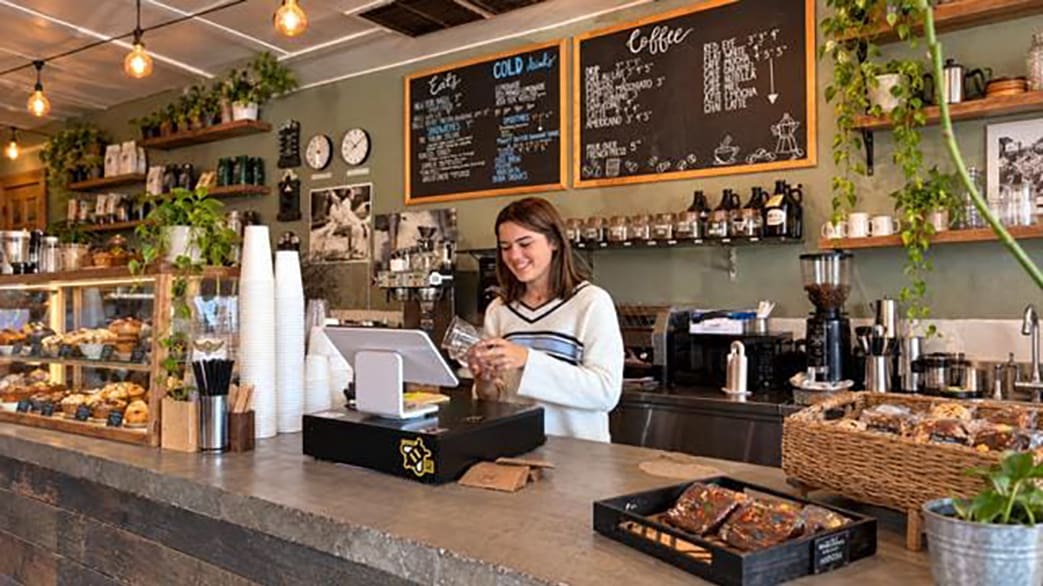
But recently, sitting in an Arizona coffee shop owned by my daughter and son-in-law, I witnessed something completely different. The customer created the experience.
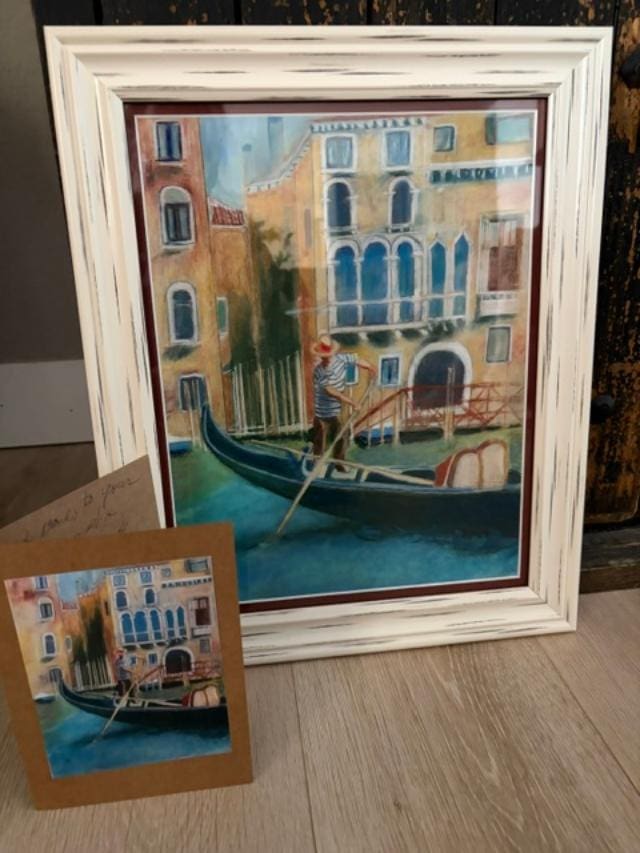
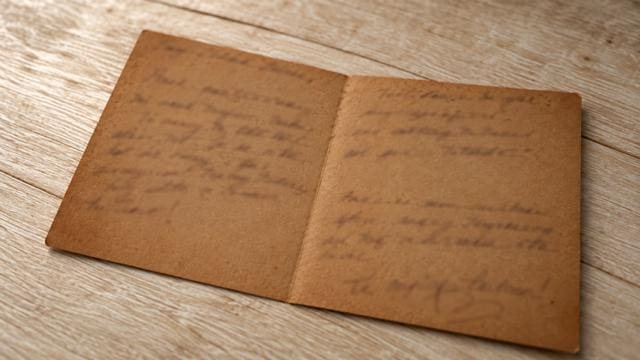
A woman walked into the coffee shop carrying a gift. She handed the owner a beautifully framed watercolor painting of Venice, Italy. With it was a card featuring the same scene. Inside was a lovely handwritten message praising the coffee, saying how it reminded her of Italy and expressing appreciation for the baristas and the people who made the shop special.
There was no survey attached, no request for points, no social media campaign, no incentive and certainly no expectation that anyone would give her anything in return. It was simply gratitude.
The owner recognized her as a customer, but he had no idea that the coffee shop and the people working there had meant that much to her. Neither did the baristas. They were genuinely touched.
And I found myself thinking, what do we call this?
I have spent years talking about Customer Experience, but this was almost Customer Experience in reverse. Except I don’t really think “reverse” describes it. Reverse implies going backward. This felt more like something coming full circle.
So I have a name for it: ReciproCXity. Reciprocity with CX right in the middle.
To me, ReciproCXity is what happens when the experience a business gives a customer becomes meaningful enough that the customer feels compelled to give some of that experience back.
And then I realized I had seen this before. In fact, I grew up with it.
My father started teaching me how to buy cars when I was ten years old. Buying the family car each year was an experience, and those lessons eventually became part of my book and, in many ways, the foundation of the work I do today.
Dad taught me that a truly successful transaction should result in what he called a win-win-win. The customer wins, the salesperson and business win, and the relationship wins.
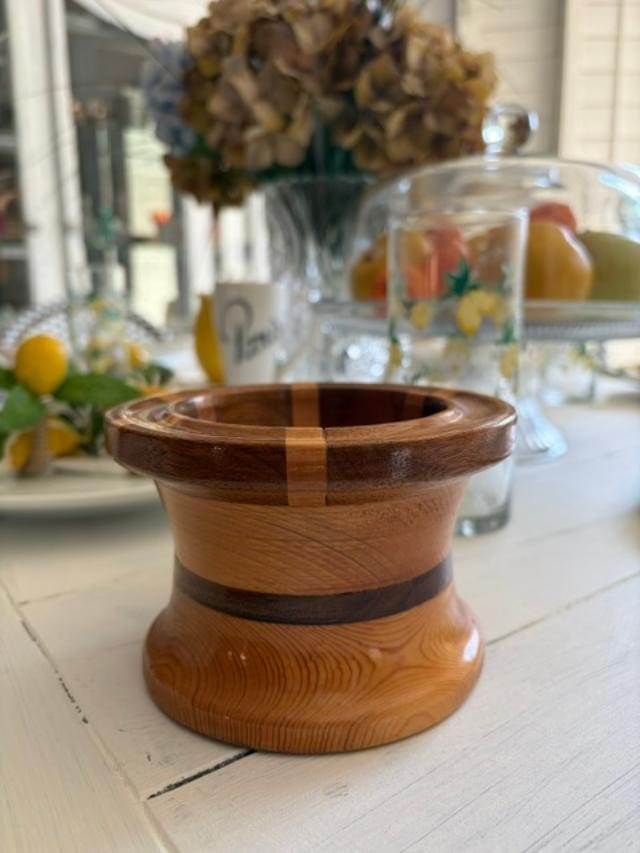
But my father didn’t stop at shaking the salesman’s hand after the papers were signed. When he felt that someone had treated him fairly and created a great buying experience, he would go home to his woodshop and make that salesperson something by hand. Then he would go back to the dealership and give it to him with a thank you note.
Think about that. There were no online surveys, no Google reviews, no social media posts and no five-star rating system. There were very few places for a customer to publicly praise a salesperson or complain about one.
My father’s way of saying, “You did a good job, and you made me feel valued,” was to take his own time and talent and give something back.
Decades later, I hear from the owner about a woman who walks into a coffee shop carrying a watercolor of Venice, and suddenly I could see the connection. The handmade gift from my father’s woodshop and the watercolor painting from a customer’s heart were from different generations and different businesses, but they represented the very same human response.
When someone makes us feel something, sometimes “thank you” just doesn’t feel like enough.
That is ReciproCXity. Not another purchase, not a survey and not even a five-star review. It is appreciation that becomes action. And that difference matters.
We have become very good at measuring satisfaction, but can you measure meaning? A customer can give you a 10 on a survey because the coffee was hot, the service was fast and the barista was friendly. That’s good Customer Experience.
But when someone takes the time to select artwork, frame it, choose a matching card, sit down and write a personal message and then walk into your business simply because she wants the people there to know what they mean to her, that’s something more.
That’s a relationship.
And there is another part of this story that business leaders shouldn’t overlook: the employees.
Most frontline employees hear immediately when something goes wrong. The order wasn’t right, the wait was too long, the price was too high, or something wasn’t available. Managers hear complaints. Owners hear complaints. Employees hear complaints.
Imagine what it feels like when a customer walks in for no reason other than to say, “You made a difference to me.”
Recognition changes people.
This painting will now hang in the coffee shop, and I believe it represents far more than Venice. Every employee who sees it will know that something they do every day, perhaps something as ordinary as making a latte, remembering someone’s order, smiling when she walks through the door or asking about her day, mattered enough for someone to go home and think, I want them to know.
And there may be a lesson here for every business obsessed with improving Customer Experience. Perhaps the goal shouldn’t simply be creating customers who are satisfied enough to give us a high score. Maybe it is creating a culture where people feel something, where customers feel recognized, employees feel valued, owners are present and transactions slowly become relationships.
You can’t manufacture what happened in that coffee shop. In fact, the minute you try to manufacture it, you probably destroy what makes it special. But you can create the kind of environment where it becomes possible.
Be present. Hire people who care. Treat customers as individuals instead of transactions and appreciate the employees who make those connections happen.
My father taught me years ago that the best business transaction is a win-win-win. I think I finally understand that third “win” even better.
The third win is the relationship.
Because occasionally, if you have created something truly meaningful, Customer Experience does something remarkable.
It comes back to you.
I call that ReciproCXity, and perhaps that is one of the highest compliments a business can ever receive.Cathy Droz Founder, HER Certified® Customer Experience Consultant, Author & Automotive Journalist