
Teaching Teens How To Drive… With a Permit !
A GRANDPARENT’S PERSPECTIVE…
By Cathy Droz
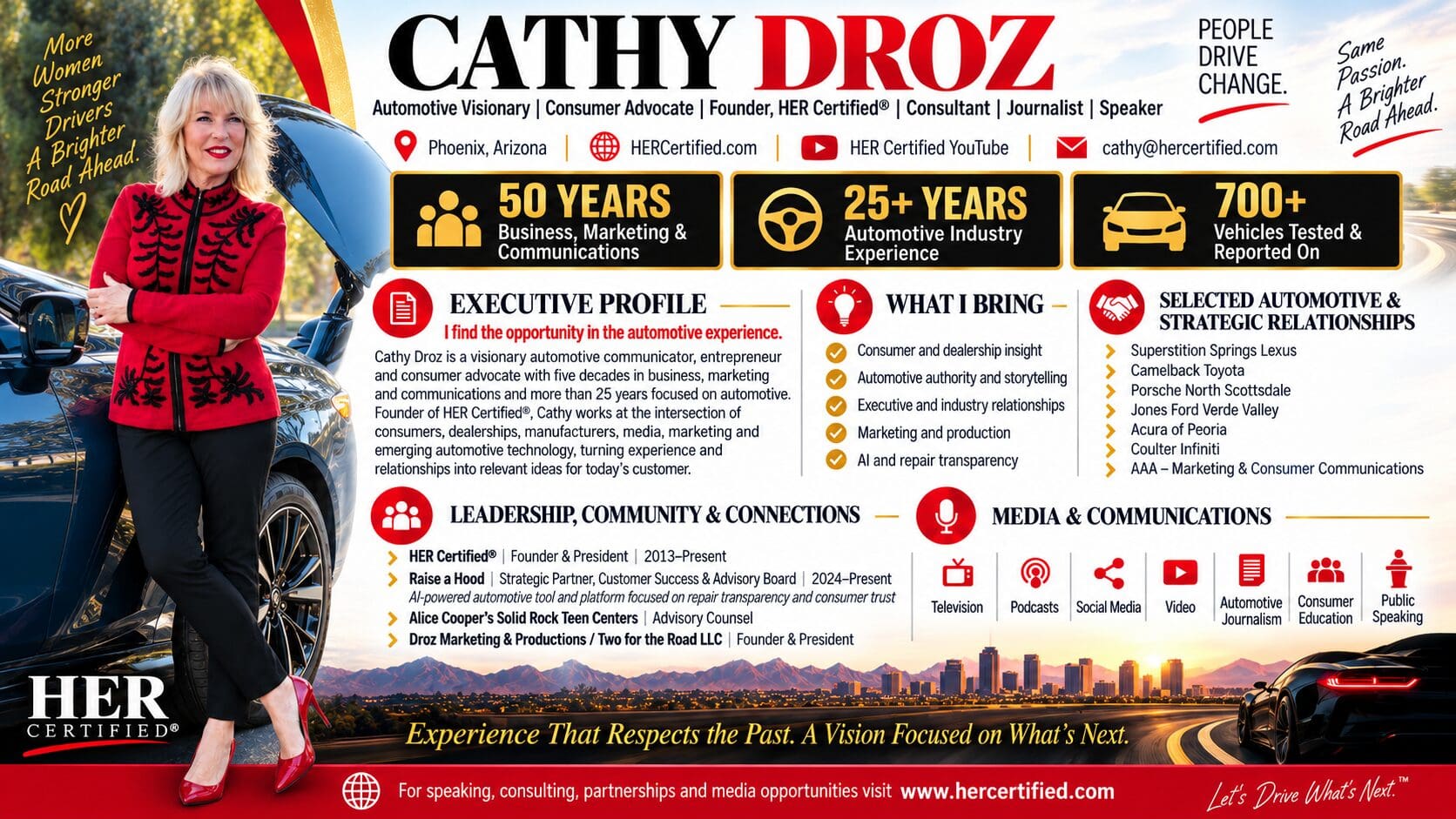
I’ve test-driven over 700 vehicles for manufacturers, from sports cars to family SUVs. I know horsepower, torque, and the latest safety features. But teaching my granddaughter to drive? That’s a whole new test drive, one that doesn’t come with a press kit and 700 different vehicles to adjust to. www.hercertified.com
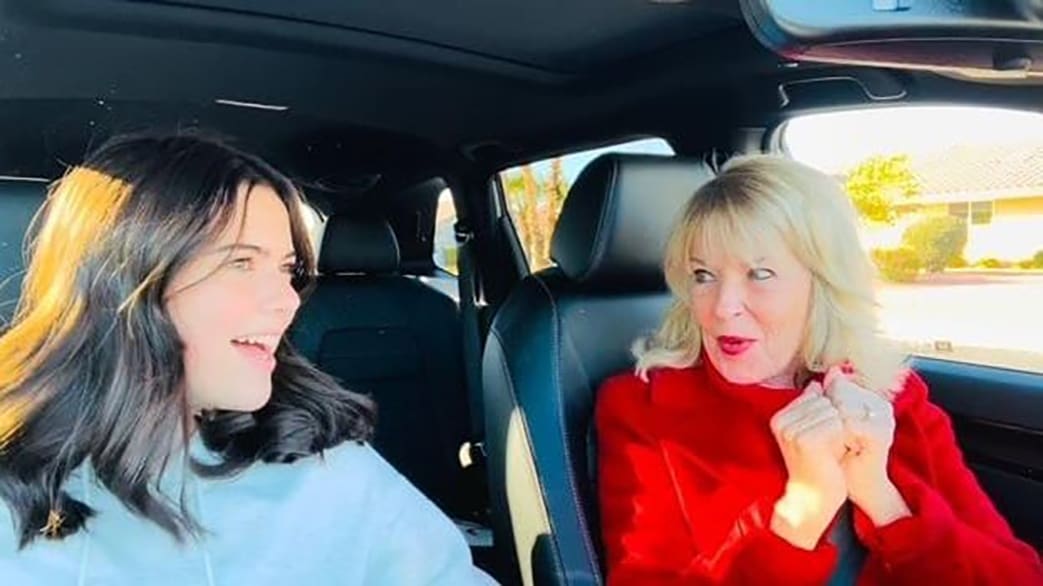
As a grandparent, I want to be one of the trusted adults who helps her learn the road. She’s joined me on plenty of car reviews as my copilot and commentator, but now she’s ready to move from the passenger seat to the driver’s seat. With that comes the responsibility of teaching her not just how to drive, but how to feel confident, calm, and in control.
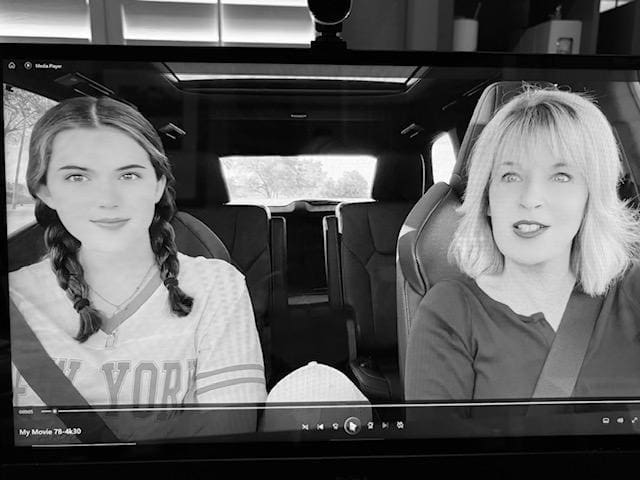
Here are five things every grandparent or parent should focus on when teaching a teen with a permit:
1. Patience Over Perfection
Your teen isn’t going to nail parallel parking, customer parking spots at Raising Cane’s or smooth stops on day one. Think of it like reviewing a brand new car: the first drive is about getting a feel for the steering, brakes, and visibility. Let them make mistakes in a safe environment it’s part of learning. A grandparent may be calmer than a parent with corrections.
2. Safety Is the Star Feature
I remind her that safety isn’t an “optional package.” It’s the base model. From buckling seatbelts before starting the engine to checking blind spots, these habits must be automatic. I compare it to car reviews no matter how luxurious the ride, safety ratings always come first. My personal safety rule, no driving barefoot.
3. Confidence Behind the Wheel
Confidence doesn’t come from knowing everything; it comes from consistent practice. Start small, like empty parking lots, quiet neighborhoods, then graduate to busier streets. Even the cars I review go through miles of testing before they’re ready for the public. So do new drivers.
4. Respect for the Rules of the Road
Teens today have GPS, backup cameras, and lane-assist systems. But I also teach her the basics: road signs, speed limits, construction cones and the three-second rule. Technology is helpful, but respect for the rules never goes out of style.
5. Make It Relatable
I know she doesn’t want a lecture every time we’re in the car. Instead, I share stories from my test drives and try not to be boring with things like how I learned to handle a powerful engine, or why braking distance matters, slow down by schools and of course no texting or talking on the phone. Driving becomes less intimidating when it’s tied to real-life experiences and boy do I have plenty of them. I try to avoid the “when I was your age” stories.
Closing Thoughts
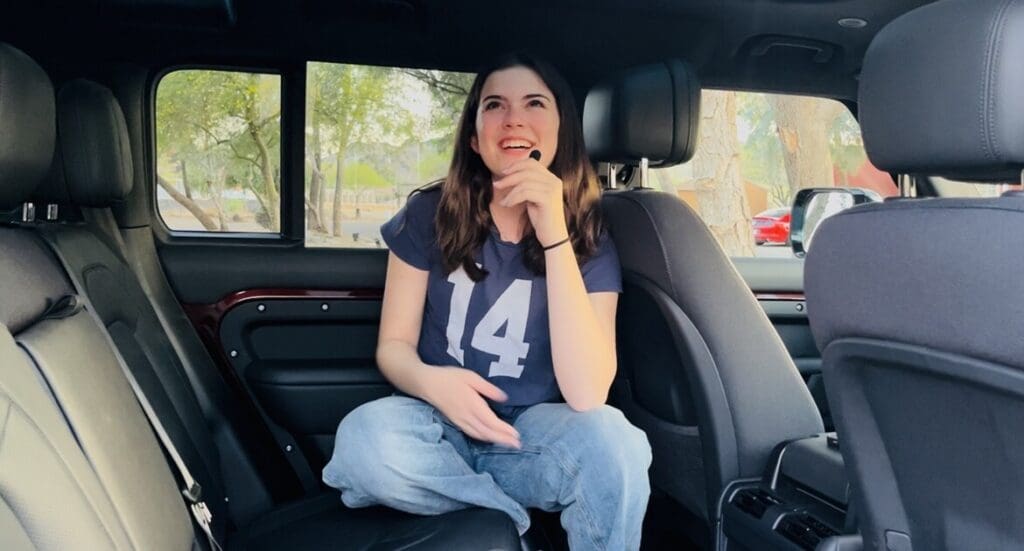
Teaching a teen to drive as a grandparent is a privilege. It’s a chance to blend wisdom, patience, and maybe a little humor. Also not all grandparents have my job driving a different make a model weekly. Most importantly, it’s about building trust both in me as her teacher and in herself as a driver. Distractions for teens is dangerous, those conversations are also needed.
Footnote: When I learned to drive, the rule of thumb was to stay one car length behind for every 10 miles per hour you were traveling. At 50 mph, that meant staying five car lengths back. Today, experts recommend the three-second rule: choose a marker on the road and make sure three seconds pass before you reach it after the car in front. This adapts better to different speeds and road conditions.
#teendrivers #grandparents #womendrivers #lessonsforteens #parents