
What New York City Gets Right: Customer Service vs Customer Experience
What restaurants, hotels, street vendors and even New York City police officers reminded me about building trust, loyalty and lasting customer relationships.
By Cathy Droz, Founder of HER Certified
New York City has always gotten a bad rap.
Whenever I tell people I was born in Queens and raised on Long Island, someone usually attempts a New York accent. Suddenly, “coffee” becomes “caw-fee,” and Long Island becomes “Lawn Guyland.” Others look surprised and say, “I can’t believe you’re from New York. You’re so nice!”
New Yorkers, like Texans, Californians and people from certain Southern states, are often judged by their accents and the stereotypes that accompany them. New Yorkers may be considered rude when they are simply direct. Their honesty can be mistaken for impatience, and their confidence can sometimes be interpreted as arrogance.
After living in Arizona for 45 years, I have grown accustomed to the friendliness found in our supermarkets, banks, gas stations and restaurants. But something has changed almost everywhere. QR codes have replaced conversations. Customers order from apps, pay at kiosks and take a number. Too often, the person taking your order looks as though helping you is the most painful part of the day.
That is why my recent summer visit to New York City surprised me and reminded me what an exceptional customer experience should feel like.
From restaurant servers, hotel employees and street vendors to police officers, cab drivers and Uber drivers, I encountered people who did more than provide good customer service. They created memorable experiences.
It did not seem to matter whether I was at a beautiful hotel or ordering a slice from a neighborhood pizza shop. People made eye contact. They answered questions. They offered suggestions. Most importantly, they noticed when someone needed help.
At our small hotel in Times Square, members of the staff remembered the name of my granddaughter’s doll and said good morning to her, too. It was a small gesture, but that is often what separates an ordinary transaction from a memorable customer experience.
What was going on? Is there one enormous human resources department in Manhattan secretly hiring friendly, courteous people?
Perhaps they know that excellent service may lead to a better tip. Maybe New Yorkers understand that millions of visitors are trying to navigate one of the busiest cities in the world. Or perhaps it is something simpler: New Yorkers recognize that everyone is trying to get somewhere, and sometimes the fastest way forward is to help one another.
I’m going with that one.
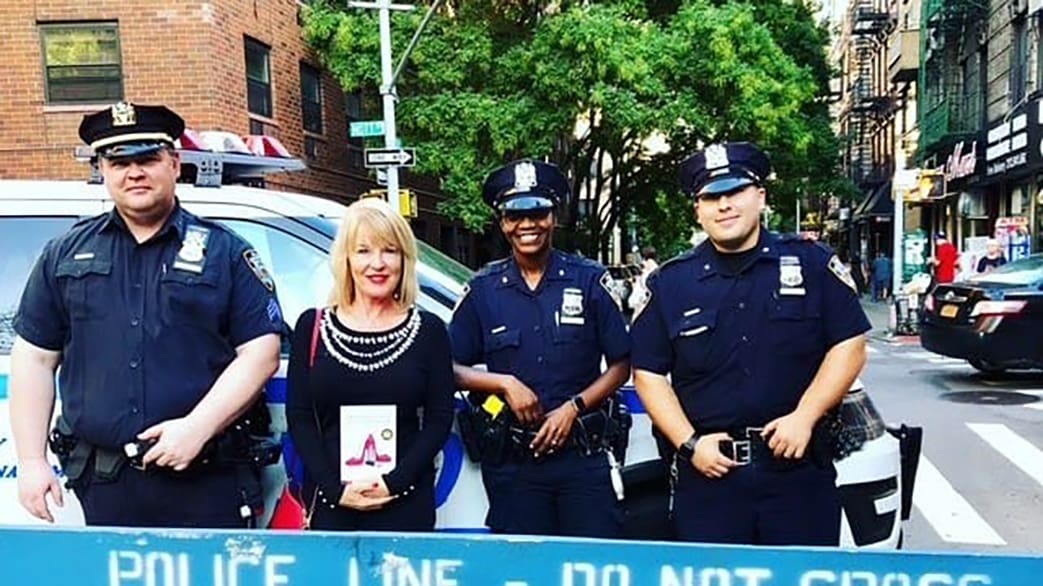
Even New York City police officers seemed to have a second job as personal GPS guides for tourists and confused natives. They gave directions, explained subway routes and answered questions, often while managing the noise, crowds and constant motion surrounding them. If they happened to be good-looking, tourists wanted photographs with them, and they graciously agreed to those, too.
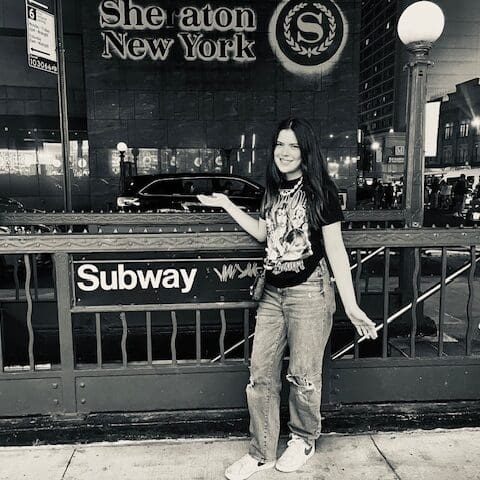
I worked in Manhattan during the 1970s. Back then, you learned to watch your purse, pay attention to your surroundings and stand far enough back from the subway platform. The city could feel tough because it was tough.
Yet beneath that exterior, there has always been a sense that when something truly matters, New Yorkers take care of New Yorkers.
We saw that after September 11. We watched ordinary people become extraordinary because their neighbors needed them. That spirit may not always arrive with a smile or a soft voice, but it is real.
There is something about East Coasters. We may be direct. We may move quickly. But when someone needs help, we understand, and we are there.
Customer Service vs. Customer Experience
That brings me to the important difference between customer service and customer experience.
Customer service is completing the expected transaction. You answer the question, take the order, process the payment or point someone in the right direction. Customer experience is how you make that person feel while doing it.
Customer service says, “Your table is ready.” Customer experience says, “I remembered that you wanted to sit near the window.”
Customer service gives directions. Customer experience notices that you still look confused and walks you to the corner. At Safeway, it is the employee who does not merely name the aisle, but takes you directly to the product.
Customer service fixes the problem. Customer experience recognizes the frustration, takes ownership of the situation and makes the customer feel confident that someone genuinely cares.
A great customer experience requires more than being polite. It takes hospitality, empathy, awareness and consideration. It means noticing what customers may need before they have to ask. It also means understanding that what feels routine to an employee may be unfamiliar, stressful or extremely important to the customer.
Not every company has the resources or reputation of The Ritz-Carlton, but every organization can create a culture in which people feel acknowledged, respected and valued.
My summer visit reminded me that New York City’s greatest attraction may not be Times Square, Broadway, its famous hotels or even its pizza. It may be the people who keep the city moving while still finding time to help a stranger.
What Automotive Dealerships Can Learn
Restaurants and hotels understand hospitality because it is central to their business. Automotive dealerships face a different challenge.
Purchasing or servicing a vehicle can involve significant expense, complicated technology, financial decisions and safety concerns. For many customers, especially women and first-time car buyers, the dealership experience may also come with anxiety or intimidation.
That is where my work is focused.

After decades in the automotive industry and more than 700 vehicle test drives, I have developed a specialized understanding of the automotive customer experience, particularly what customers see, hear and feel inside a dealership.
I help sales, service and parts departments recognize the moments that influence customer trust, satisfaction, retention, loyalty and referrals. These moments ultimately determine whether a customer will return to the dealership or take their business somewhere else.
I do not believe customer experience can simply be assigned to one employee or reduced to a checklist. It must become part of the dealership’s culture, from the first phone call and website inquiry to the vehicle delivery and every service visit that follows.
When I provide dealership customer experience training or speak to an automotive organization, I ask that the general manager or owner be present. Creating a customer-focused culture starts at the top and must be reinforced from the top down.
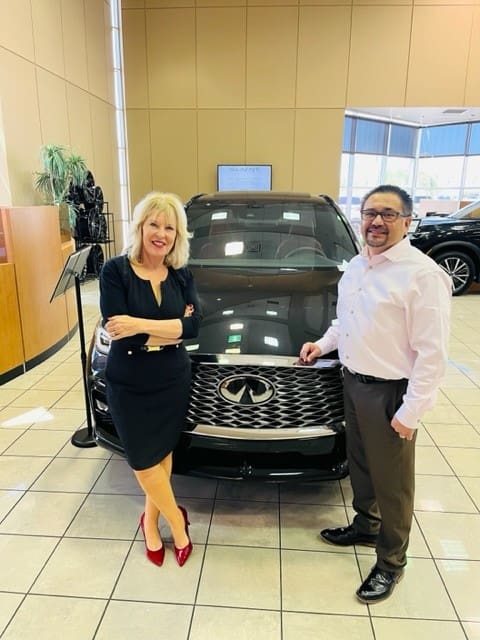
Every employee plays a role. The person answering the telephone matters. The receptionist matters. The salesperson matters. The finance manager matters. The service advisor, technician, cashier and person delivering the vehicle all matter.
Customers may not remember every feature that was explained or every document they signed, but they will remember whether they felt respected, informed and confident in their decision.
Customer service completes the transaction. Customer experience builds the relationship.
In the automotive business, the dealership that truly understands the difference has a powerful competitive advantage.
#customerservice #customerexperience #automotivecustomerexperience #automotivedealerships #lexus #toyota #Mazda #RitzCarlton #NewYorkCity
Dave Sanderson Brian Benstock David OBrien Katie Mares Latisha Trull
Cathy Droz is the founder of HER Certified and an automotive customer experience consultant, speaker and trainer. She helps dealerships build trust, improve customer retention and create stronger relationships with women, first-time buyers and today’s automotive consumers.